
Angh: A Cinematic Exploration of Indigenous Identity and Colonial Modernity
In the remote hills of Nagaland, where the Konyak tribe has long held sway, Theja Rio’s debut feature Angh captures a pivotal moment of cultural collision. Set in the 1960s, the film follows Anghba, a principled chief clinging to his fading way of life, as the arrival of an American missionary threatens to reshape the community’s identity. The film’s restrained narrative and evocative visuals have earned it the top prize in the Platform competition at the Toronto International Film Festival, qualifying it for consideration for the Academy Award for Best International Feature.
Plot and Setting
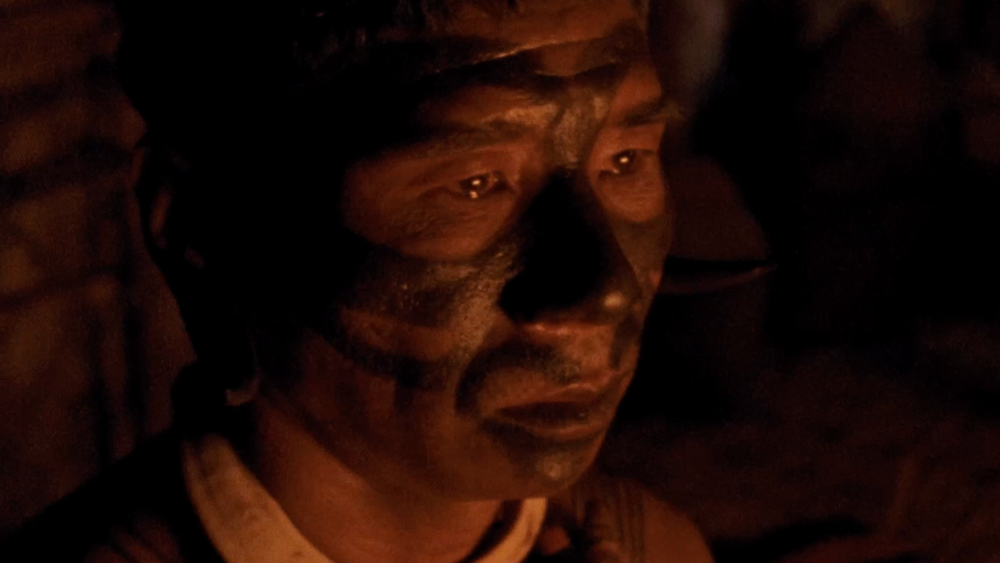
The story unfolds in a dense forest that serves as both a physical and spiritual sanctuary for the Konyak people. After the death of his wife, Anghba (Anghlong Konyak) is left with his silent son Amao (Sobino Rengma), the only other member of their tribe. The arrival of a jovial American preacher (Douglas Henshall) and his raft of converts introduces foreign rituals, medicine, and a crucifix that clashes with local traditions. The film portrays these impositions with a quiet absurdity, allowing the audience to experience the tension from the indigenous perspective.
Director’s Vision and Cinematic Techniques
Rio, together with cinematographer Adam Pietkiewicz, chose to shoot on 16mm film, embracing its tactile imperfections as a narrative device. The grain, scratches, and occasional punctures become part of the environment, creating a living fabric that mirrors the organic world. This choice reinforces the film’s theme of harmony with nature, which is gradually disrupted by external forces. Rio’s direction is marked by a restrained pacing that allows emotions to simmer, echoing the style of Filipino auteur Lav Diaz.
Performances and Cast
The cast is predominantly composed of tribal non‑actors, lending authenticity to the portrayal of Konyak life. Anghlong Konyak delivers a compelling performance as the stubborn yet grieving chief, whose protectiveness over language, attire, and ritual grows more intense as the narrative progresses. Sobino Rengma’s silent Amao provides a poignant counterpoint, embodying the younger generation’s curiosity about modernity.
Awards and Oscar Qualification
Winning the Platform Prize at the 2025 Toronto International Film Festival not only brought international attention to Angh but also secured its eligibility for the Best International Feature category at the Academy Awards. The film has been submitted as India’s official entry for the 2026 Oscars, a milestone that underscores its cultural significance.
| Detail | Information |
|---|---|
| Director | Theja Rio |
| Lead Actor | Anghlong Konyak |
| Cinematographer | Adam Pietkiewicz |
| Format | 16mm film |
| Award | Platform Prize, Toronto International Film Festival |
Cultural Impact and Reception
Critics have praised Angh for its respectful portrayal of indigenous rituals and its subversion of the colonial gaze. The film invites viewers to reflect on the cost of progress and the ease with which entire ways of life can be erased. Its success has sparked conversations about representation in Indian cinema and the importance of amplifying tribal voices.
Conclusion
With its lyrical storytelling and striking visual texture, Angh stands as a powerful lament for what is lost when modernity encroaches upon ancient traditions. As it heads toward the Oscars, the film continues to challenge dominant cinematic perspectives, offering a profound meditation on identity, memory, and resilience.
Arts, Entertainment, News, People, Travel, Society, Film, Indigenous culture, Nagaland, Toronto International Film Festival, Oscar

