
FDA Recalls Six Soap Brands After Bacterial Contamination Alert
Scale of the Product Withdrawal
The U.S. Food and Drug Administration (FDA) has initiated a nationwide recall affecting six specific soap brands across 15 states. The investigation identified over 2,000 boxes of contaminated products, prompting urgent consumer warnings and public health advisories.
Identified Affected Products and Immediate Action
Authorities have named several liquid and solid soap formulations that tested positive for bacterial contaminants. While the full list of brand names varies by state distribution, the common thread is a failure in manufacturing hygiene protocols that allowed pathogens to persist in the formulation.
What Consumers Should Do Immediately
Individuals who currently possess any of the recalled soaps are advised to discontinue use immediately. There is no way to visually identify contaminated batches, as bacteria alter neither the appearance nor the scent of the product. Those with compromised immune systems, pregnant women, and caregivers of immunocompromised family members face heightened risks of infection.
Medical Risks Associated with Contaminated Soap
Contaminated soap can act as a reservoir for harmful bacteria, transferring pathogens from the surface to the hands and subsequently to mucous membranes. This route of exposure allows bacteria to enter the respiratory system or be ingested, potentially causing skin infections, respiratory illness, or systemic disease. The risk is particularly acute for healthcare professionals and anyone caring for vulnerable patients.
Liquid Soap Recommended Over Solid Alternatives
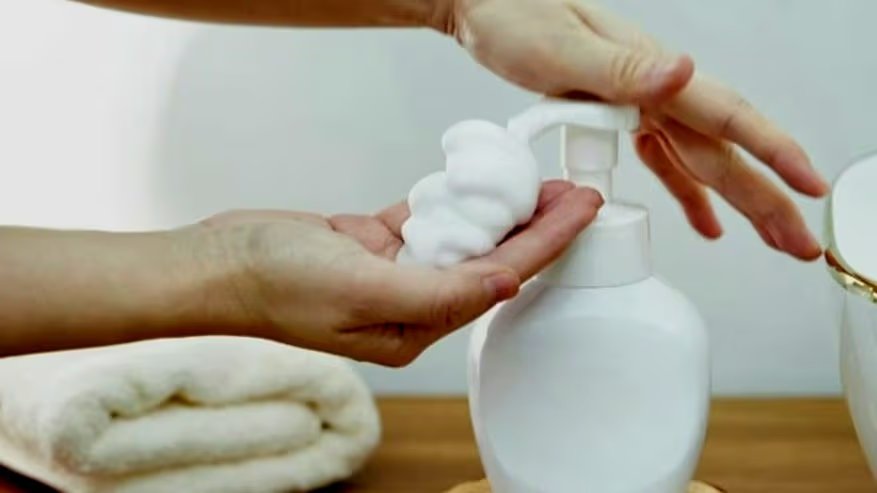
Public health officials emphasize that liquid soap formulations are generally safer than solid bar soaps during outbreaks. The continuous flow of liquid reduces the opportunity for bacterial colonization compared to solid bars that can retain moisture and organic matter. Switching to liquid hand sanitizers or liquid body wash is strongly recommended until the supply chain stabilizes.
High-Risk Populations Most Affected
Healthcare workers, nursing staff, and family members of immunocompromised individuals represent the most vulnerable groups. These populations face increased susceptibility to infections transmitted via contaminated personal care items, making preventive measures even more critical during this recall period.
Practical Prevention Strategies
- Avoid using any soap identified in the recall notices
- Wash hands thoroughly with alternative liquid soaps or alcohol-based sanitizers
- Disinfect bathroom surfaces and storage containers regularly
- Consult healthcare providers for personalized advice on skin and respiratory protection
Official Response and Ongoing Monitoring
The FDA continues to monitor the situation and coordinate with state health departments. Manufacturers have been instructed to implement enhanced testing protocols and traceability systems to prevent future incidents. Consumers are encouraged to report any adverse reactions to contaminated products to local health authorities.
Summary and Key Takeaways
This article summarizes the FDA’s response to a widespread soap recall involving six brands across 15 states. The primary concerns center on bacterial contamination that poses health risks, particularly for vulnerable populations. Immediate action—discontinuing use of recalled products and switching to liquid alternatives—is essential to mitigate potential infection spread.
< p class="categories">Health, News, Shopping, Science, Government, Business, Online, Society, People

