
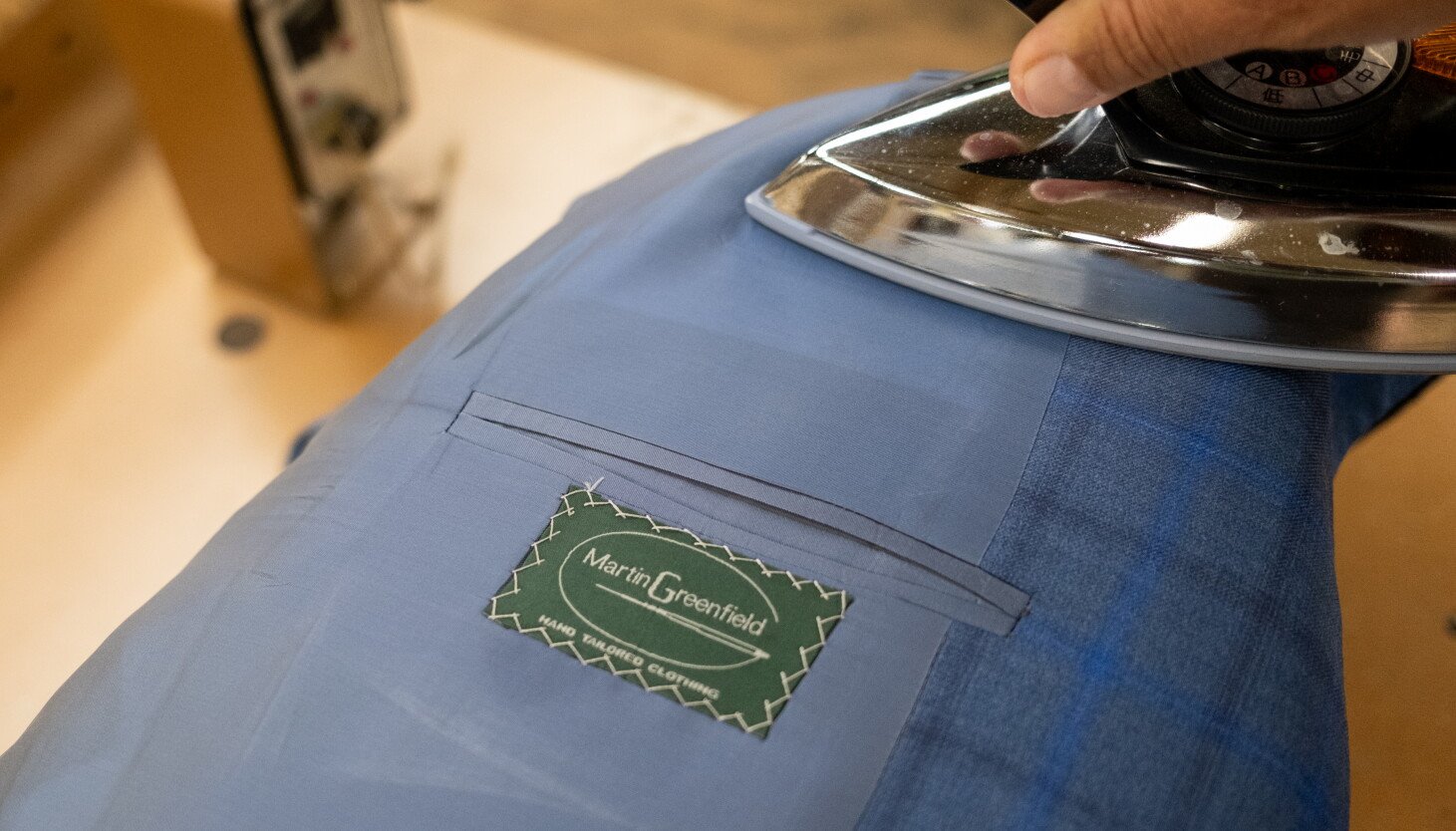
The Story Behind Barack Obama’s Iconic Tan Suit
From Auschwitz to Brooklyn: The Life of Martin Greenfield
The narrative of Barack Obama’s signature tan suit begins not in a fashion house, but in a Nazi concentration camp. In the spring of 1944, 15-year-old Maxmilian Grünfeld was among the thousands deported to Auschwitz by cattle cars, accompanied by his parents, siblings, and grandparents. He was the sole survivor of his immediate family, enduring the horrors of the camp including selection by the infamous Dr. Josef Mengele, who decided which prisoners would work and which would die immediately. After being forced into slave labor, Grünfeld spent weeks in the laundry, learning basic tailoring skills from fellow inmates. He saved a torn Nazi uniform shirt, wearing it under his prison uniform as a way to feel slightly better treated by the guards.
After the liberation of Buchenwald in April 1945, Grünfeld was rescued by American forces and eventually reached the United States in September 1947. He settled in Baltimore and later New York, where he worked his way up to become a senior tailor at GGG Clothiers. Over decades, he built a reputation as a master of custom menswear, producing suits for presidents, celebrities, and politicians alike. In 1977, he purchased the GGG factory and renamed it Martin Greenfield Clothiers, keeping the business afloat as other manufacturers faded away.
The Obama Suit: A Custom Fit
Barack Obama first approached Martin Greenfield in October 2010 through a recommendation from Ikram Goldman, a style advisor to First Lady Michelle Obama. The request was unusual—Obama wanted a suit made entirely by Greenfield, not copied from other houses. The White House instructed Greenfield to charge the full retail price of approximately $2,000, emphasizing that no discounts were allowed due to the president’s office. Despite initial reservations about the quality of pre-made suits, Greenfield insisted on crafting a bespoke piece tailored to Obama’s measurements.
Obama was measured on November 2, 2010, and the resulting tan suit became one of the most recognizable pieces of presidential attire. According to Greenfield, Obama is “built like a fitting mannequin,” measuring 40 inches tall with a 33½-inch waist. Since 2010, Obama has worn suits from Martin Greenfield for nearly a decade, with Greenfield estimating more than fifteen total orders over eight years, though only one tan suit was produced.
Design Evolution and Style Choices
The tan suit was initially crafted with classic pleated pants, reflecting traditional American tailoring standards. However, as Obama’s personal style preferences shifted, Greenfield adapted. By 2012, the tan suit featured flatter front pants to accommodate Obama’s evolving taste. In 2014, following the first daughter Malia and Sasha’s birth, Greenfield created a version with a modern cut to avoid criticism that the suit looked outdated. These adjustments highlight how the garment evolved alongside the president’s changing wardrobe and personal aesthetic.
Notable Clients and Cultural Impact
Martin Greenfield Clothiers has served a diverse clientele spanning multiple generations and industries. The business has dressed presidents Gerald Ford and Joe Biden, former Secretary of State Colin Powell, and Hollywood icons including Frank Sinatra, Denzel Washington, and Leonardo DiCaprio. The shop also provided costumes for the HBO series Boardwalk Empire and continues to support local talent through the “Boardwalk Ensemble.”
The Symbolism of Color
One of the most distinctive features of the tan suit is the red, white, and blue hand-stitched detailing in the lining. This subtle nod to American patriotism adds a layer of meaning beyond mere fashion, representing continuity between the survivor who made the suit and the president who wore it. The choice of color aligns with Greenfield’s commitment to honoring both history and contemporary identity.
Enduring Influence
Today, the story of the tan suit serves as a testament to resilience and craftsmanship. Maxmilian Grünfeld’s transformation from a Holocaust survivor to a respected tailor illustrates the power of education and perseverance. His ability to adapt his skills across decades ensured that his legacy lives on through the garments he created. For Obama, the suit represents not just a fashion statement but a tangible link to the world’s most powerful leader—a connection woven through fabric and memory.
Conclusion
The tale of Barack Obama’s tan suit is far more than a curiosity about presidential attire; it is a narrative of survival, reinvention, and the enduring art of tailoring. Through the dedication of Martin Greenfield and his sons, the garment has become a symbol of hope and achievement, reminding us that even in the darkest circumstances, individuals can leave lasting marks on history.
Arts, Autos, Beauty, Books, Business, Communities, Computers, Drink, Education, Electronics, Entertainment, Finance, Fitness, Food, Games, Garden, Government, Health, Hobbies, Home, Industrial, Internet, Jobs, Law, Leisure, Literature, News, Online, Pets, People, Real Estate, Reference, Science, Shopping, Society, Sports, Telecom, Transportation, Travel, Vehicles

