

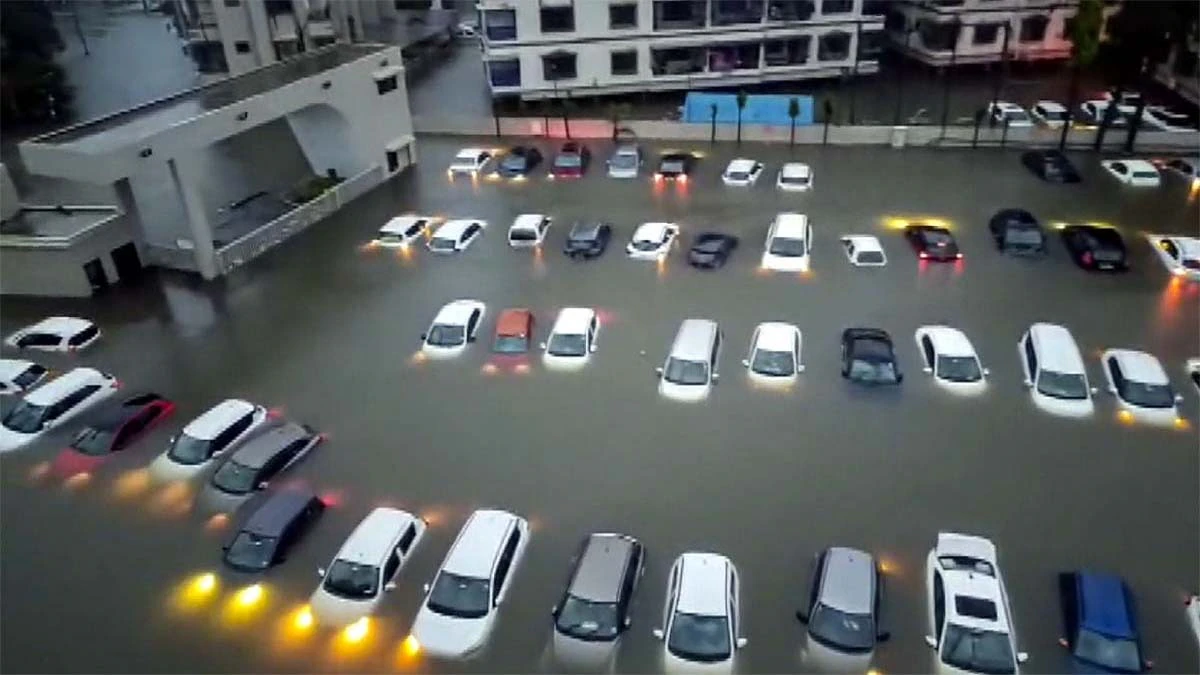
Monsoons have shown their terrible form in Gujarat these days. Not ordinary rain, but chaos wreaking havoc. In just 14 hours, more than 400 mm of water fell in many areas. Rainfall was 451 mm in Chikhali (Navsari), 440 mm in Dholka (Ahmedabad), 431 mm in Khergham, 405 mm in Umarpada (Surat) and 365 mm in Umargaon (Valsad).
read more
The rivers are in flood. The roads are flooded. The fields are flooded. Normal life has been disrupted. This rain turns out to be more intense and destructive than the normal monsoon. Amid the devastation, debate has raged among meteorologists and on social media. A few months ago, El Niño was so strong that people were afraid of the possibility of drought.
Read also: Full “route map” of rain captured in satellite images, find out what was shown
From local weather forecasters to American scientists, they predicted drought using models. But the reality turned out to be the opposite. The monsoon brought not only normal but also excessive rainfall. The question arises: why did scientists underestimate the Pacific Decadal Oscillation, that is, the PDO?
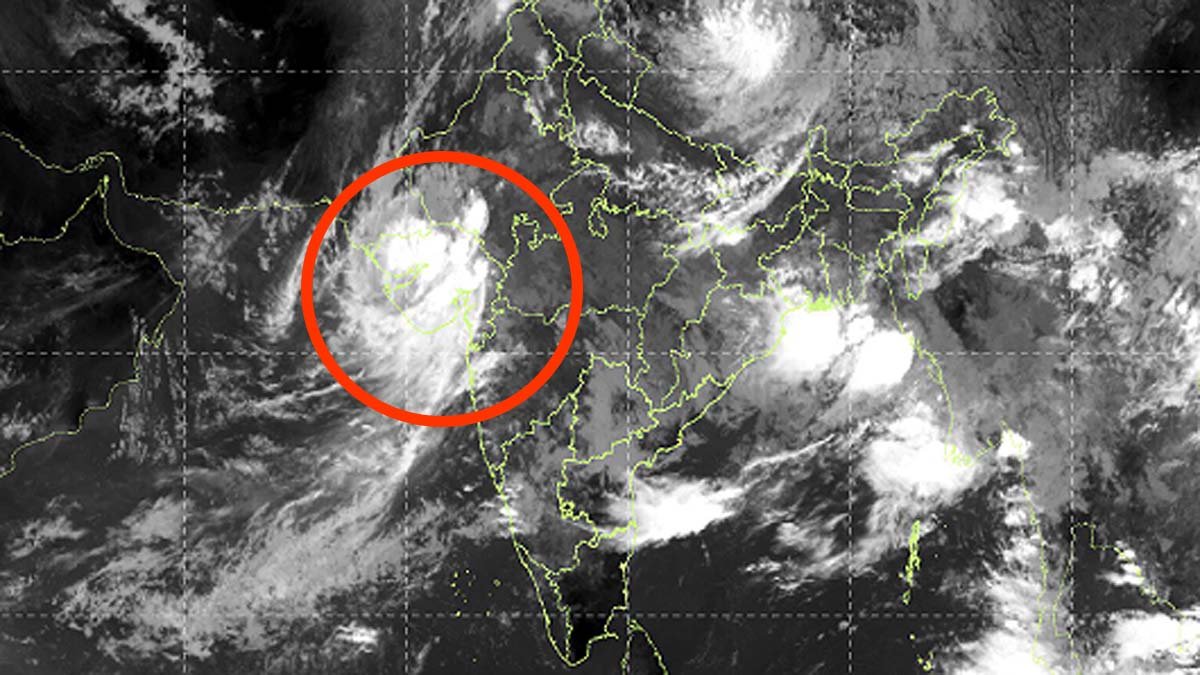 Monsoon clouds over Gujarat. (Photo: IMD)
What is the Pacific Decadal Oscillation?
The Pacific Decadal Oscillation (PDO) is a pattern of long-term changes in sea surface temperatures in the Pacific Ocean. It occurs in ten-year cycles, that is, 20-30 years. It is similar to El Niño and La Nina (ENSO), but its time period is much longer. ENSO lasts from several months to two years, while PDO retains its effect for decades.
There are two main phases of PDO – positive and negative. During the positive phase, the water off the northeastern Pacific coast is warm, while the water off the north-central Pacific is cold. In the negative phase, the exact opposite picture is observed – the northeastern coast is cold, and the central part is relatively warm. The PDO is currently in a very strong negative phase in 2026, with index values recorded in the range of -1.3 to -1.6.
Also Read: Monsoon Clouds, Rain Across the Country… But Why Is Delhi Dry?
This fluctuation not only changes the temperature of the ocean, but also affects air pressure, wind direction and the entire global circulation of the atmosphere. It has a deep connection with the monsoons of India.
Strong relationship between negative PDO and Indian monsoon.
Scientific studies show that the negative phase of PDO enhances the Indian summer monsoon. At the same time, the flow of humid winds over India improves. The monsoon trough is strengthened by drawing in moisture from the western Pacific and Indian Oceans. The result: some areas received too much rainfall, above normal.
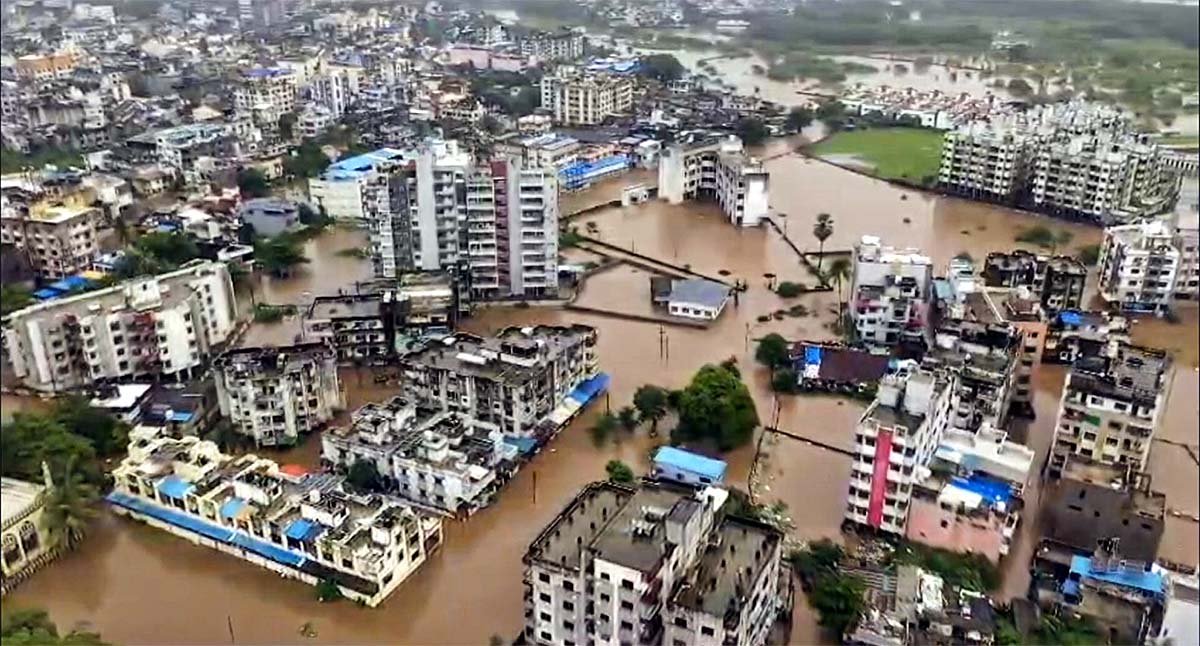 High rise buildings in Navsari, Gujarat were also filled with water. (Photo: PTI)
In contrast, positive PDO often results in weak monsoons and drought in India. If we look at the records of the last few decades, India has seen available rainfall during periods of negative PDO. This effect is even stronger in parts of western India such as Gujarat because here the moisture coming from the Arabian Sea is directly dependent on the PDO structure.
This year, scientists have mainly focused on ENSO, or El Niño. Despite the weakening of El Niño and the possibility of La Niña, many models showed precipitation deficits. But the negative phase of PDO was so strong that it canceled out the effect of ENSO. That is why many forecasts turned out to be wrong.
Read also: “B-1, B-2 and B-52 are raining bombs on Iran, the air defense is helpless.
Why is PDO underrated?
There are many reasons to underestimate PDO. The main reason is that PDO is a decadal cycle, whereas weather forecasts focus primarily on a seasonal scale. Short-term factors such as ENSO are easy to capture in models, but long-term factors such as PDO are difficult to fully understand and incorporate into models.
Second, PDO variability is underestimated in many models. Climate models are still unable to perfectly simulate decadal variability. As a result, forecasters underestimated the strength of the PDO.
The third reason is the overlap of climate change. Due to global warming, ocean temperatures are rising, causing some changes to be seen in the PDO pattern. Some studies suggest that warming may make the negative phase of the PDO more intense, but models do not fully understand this interaction.
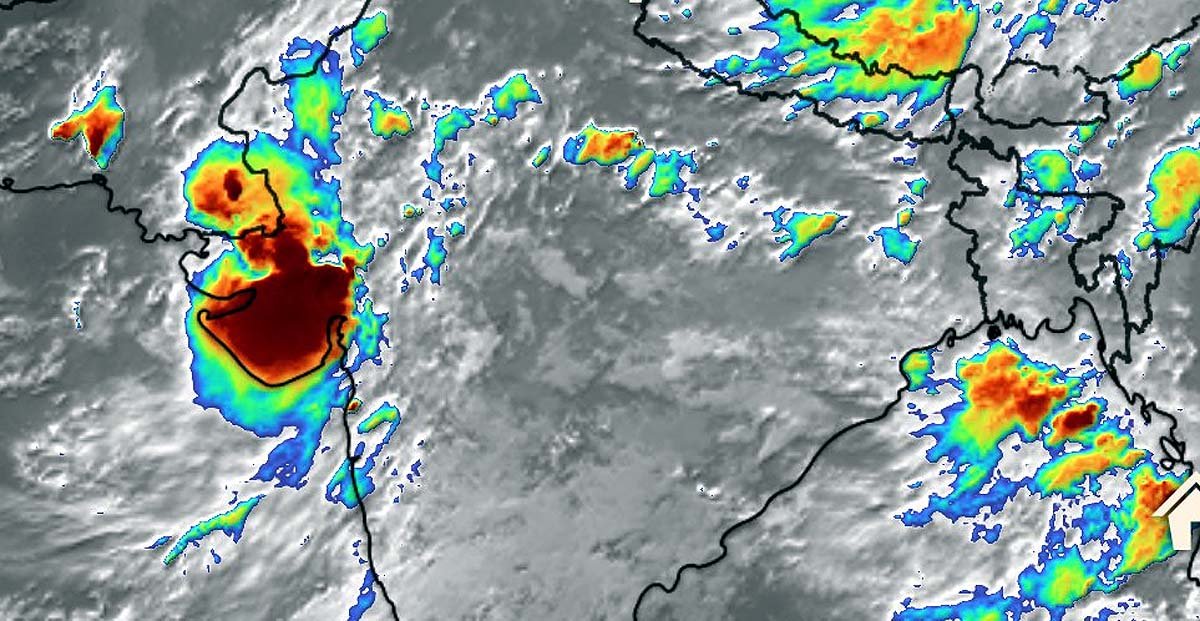
Science behind the destruction in Gujarat
The heavy rainfall in Gujarat is not the result of any one system but is part of a larger climate pattern. The negative PDO helped the monsoon trough move southward. Constant moisture comes from the Arabian Sea. Local factors such as topography and urban flooding exacerbated the situation.
Areas like Chikhali and Umargaon are geographically places where the hilly terrain and proximity to the sea contribute to abundant rainfall. Rainfall of more than 400mm in 24 hours is not normal – it is an extreme event that is becoming increasingly common in the era of climate change.
Read also: Heat has become a silent killer in France, more than 20 thousand deaths in 16 days
This incident reminds us that ENSO should not be considered alone when forecasting weather. It is important to give equal importance to other driving forces such as PDO, Indian Ocean Dipole (IOD), Atlantic Multidecadal Oscillation (AMO). There is a need to strengthen the multidecadal forecasting system.
Farmers, administrators and ordinary people should also be aware of these important patterns. If the PDO remains in the negative phase, heavy rainfall and flooding may occur in many parts of India over the next few years. Also, the intensity of extreme events is increasing due to climate change. This destruction in Gujarat has once again proved that nature cannot be viewed from only one angle.
—- End —-