
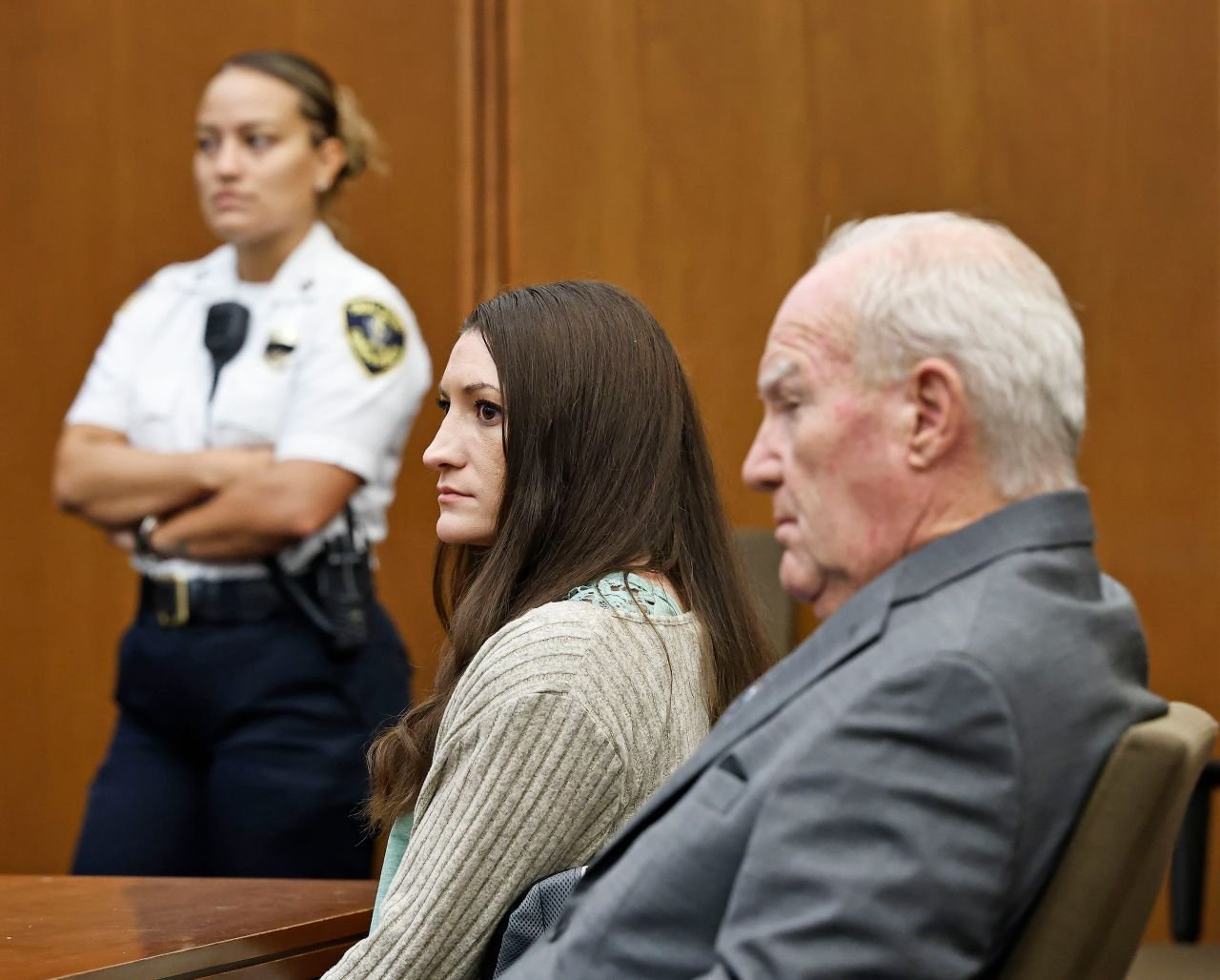
Lindsay Clancy Triple‑Murder Trial Faces Jury Deadlock as Emotions Run High
The case of Lindsay Clancy, the Massachusetts mother accused of killing her three young children in January 2023, has returned to the courtroom spotlight after jurors reported being unable to reach a unanimous verdict. Legal observers say the deadlock reflects the intense emotional weight of the testimony, the graphic nature of the allegations, and competing narratives about the defendant’s mental state at the time of the alleged crimes.

The deadlock in the triple-murder trial of Lindsay Clancy is predictable, given how emotional the details of the case are, one former prosecutor told CNN.
“You’ve got those three beautiful children who are no longer with us, and I think somebody – maybe more than one – they’re digging in on finding her guilty, coming back with a guilty verdict, because it’s just so emotional,” Margaret McLean, former prosecutor and host of “The Margaret McLean Show” on YouTube told CNN.
There are parents on the jury, McLean noted, adding that as a former prosecutor, she can’t imagine bringing a case like this one.
“I can imagine some are really dug in that she’s guilty, while others will be dug into Reddington’s concept that what loving mother could do this to these three beautiful young children? She must have been in severe psychosis,” McLean said, pointing to the argument made by Clancy’s defense attorney, Kevin Reddington.
Background: The Charges and Timeline
According to prosecutors, Lindsay Clancy allegedly smothered her 6‑year‑old daughter and 3‑year‑old son, then drowned her 5‑month‑old infant in the family bathtub before attempting suicide by jumping from a window. She was arrested in Duxbury, Massachusetts, and charged with three counts of first‑degree murder and one count of attempted murder. The case was initially set for trial in late 2023, but pretrial motions and mental‑health evaluations delayed proceedings.
Trial Proceedings and the Jury’s Struggle
The trial commenced in early 2024, with the prosecution presenting forensic evidence, witness testimony, and a timeline they argue shows premeditated violence. The defense, led by attorney Kevin Reddington, has emphasized that Clancy suffered from postpartum psychosis, a severe mental illness that, they claim, rendered her incapable of understanding the nature of her actions. Throughout the trial, jurors have been exposed to graphic photos, medical records, and emotional statements from family members.
After several days of deliberation, the jury informed the judge that they were deadlocked. The judge declared a mistrial, noting that despite extensive instructions, the jurors could not overcome the starkly opposing views: one faction convinced of guilt based on the alleged brutality, another persuaded by the defense’s psychosis argument. Legal analysts say such deadlocks are not uncommon in cases where heinous acts intersect with serious mental‑health defenses.
Public Reaction and Implications
The mistrial has reignited debate on social media and in local news outlets about how the justice system handles cases involving postpartum mental illness. Advocacy groups for maternal mental health have called for greater awareness and better screening, while victims’ rights organizations stress the need for accountability regardless of mental state. The case also raises questions about whether a retrial will yield a different outcome or if the jurors’ emotional impasse will persist.
As of the latest available information, prosecutors have indicated they intend to pursue a retrial, though no new date has been set. The defense continues to maintain that Clancy’s actions were the product of an untreated psychotic episode, a claim they plan to bolster with additional expert testimony should the case proceed.
Looking Ahead
The Lindsay Clancy case remains a focal point for discussions about the intersection of criminal responsibility and mental health. Observers will watch closely for any developments in pretrial motions, the scheduling of a new trial, and potential legislative responses concerning postpartum care. Whatever the outcome, the tragedy of three lost lives continues to shape the conversation in Massachusetts and beyond.
Stay tuned for updates as this story evolves.
Categories: News, Law, People, Government, Health, Society, Lindsay Clancy, Massachusetts, Triple Murder, Jury Deadlock, Psychosis Defense, Kevin Reddington, Maternal Mental Health, Courtroom Drama, Mistrial, Retrial, Crime, True Crime, Legal System

