
10 Years Since Oklahoma’s Strongest Earthquake: Pawnee 2016 Anniversary
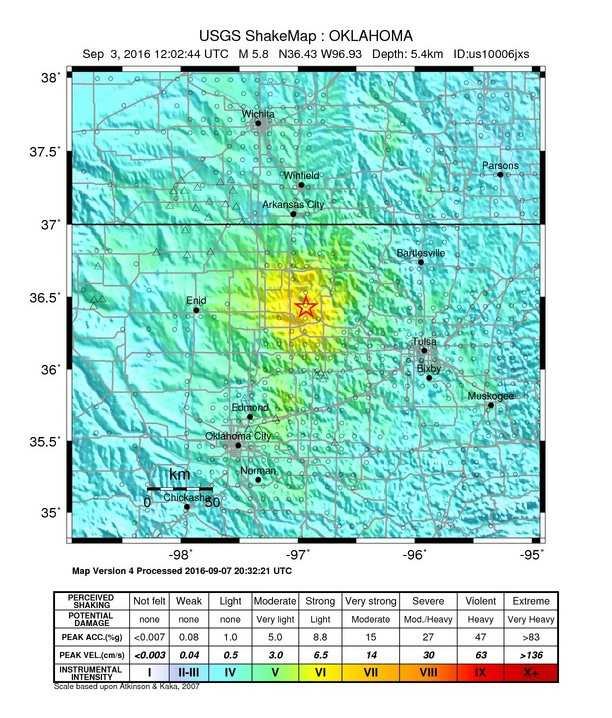
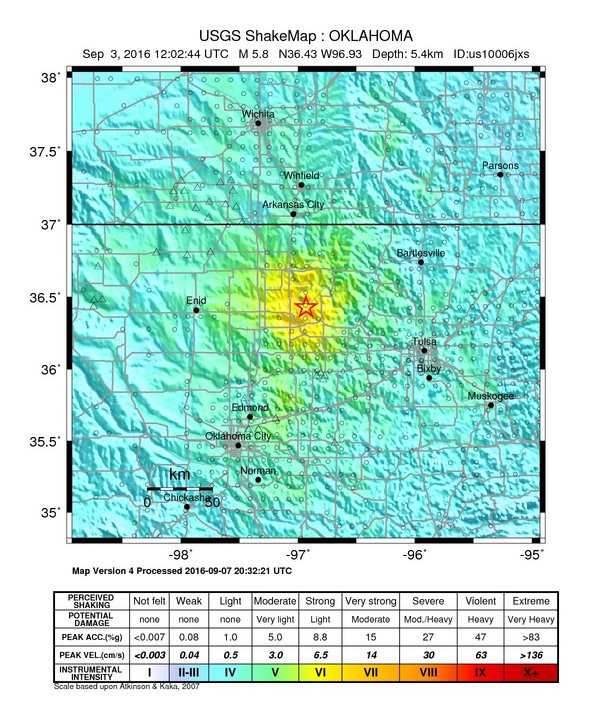
On September 3, 2026, Oklahoma marked a decade since the Pawnee earthquake, the strongest tremor ever recorded in the state. The magnitude 5.8 quake struck near the town of Pawnee at a shallow depth of about 5–6 kilometers, shaking buildings, rattling nerves, and being felt as far away as Iowa. Meteorologist Mikayla Smith of KOCO 5 revisited the event in a recent segment, reminding residents of the quake’s impact and the lessons learned about seismic risk in the Midwest.
The Pawnee Earthquake: What Happened
At approximately 7:02 a.m. local time on Saturday, September 3, 2016, the earth ruptured along a previously unmapped fault that would later be named the Sooner Lake Fault. The quake’s magnitude of 5.8 surpassed the 2011 Prague earthquake (magnitude 5.7) and remains Oklahoma’s highest‑recorded seismic event. Because the rupture occurred close to the surface, seismic waves traveled efficiently, allowing the shaking to be felt across much of Oklahoma and into neighboring states.
The event caused noticeable damage in Pawnee and surrounding communities: cracked walls, broken windows, and some structural concerns in older buildings. No fatalities were reported, but the incident prompted a rapid response from local emergency management and sparked renewed interest in Oklahoma’s earthquake hazards.
Geological Context: Faults and Induced Seismicity
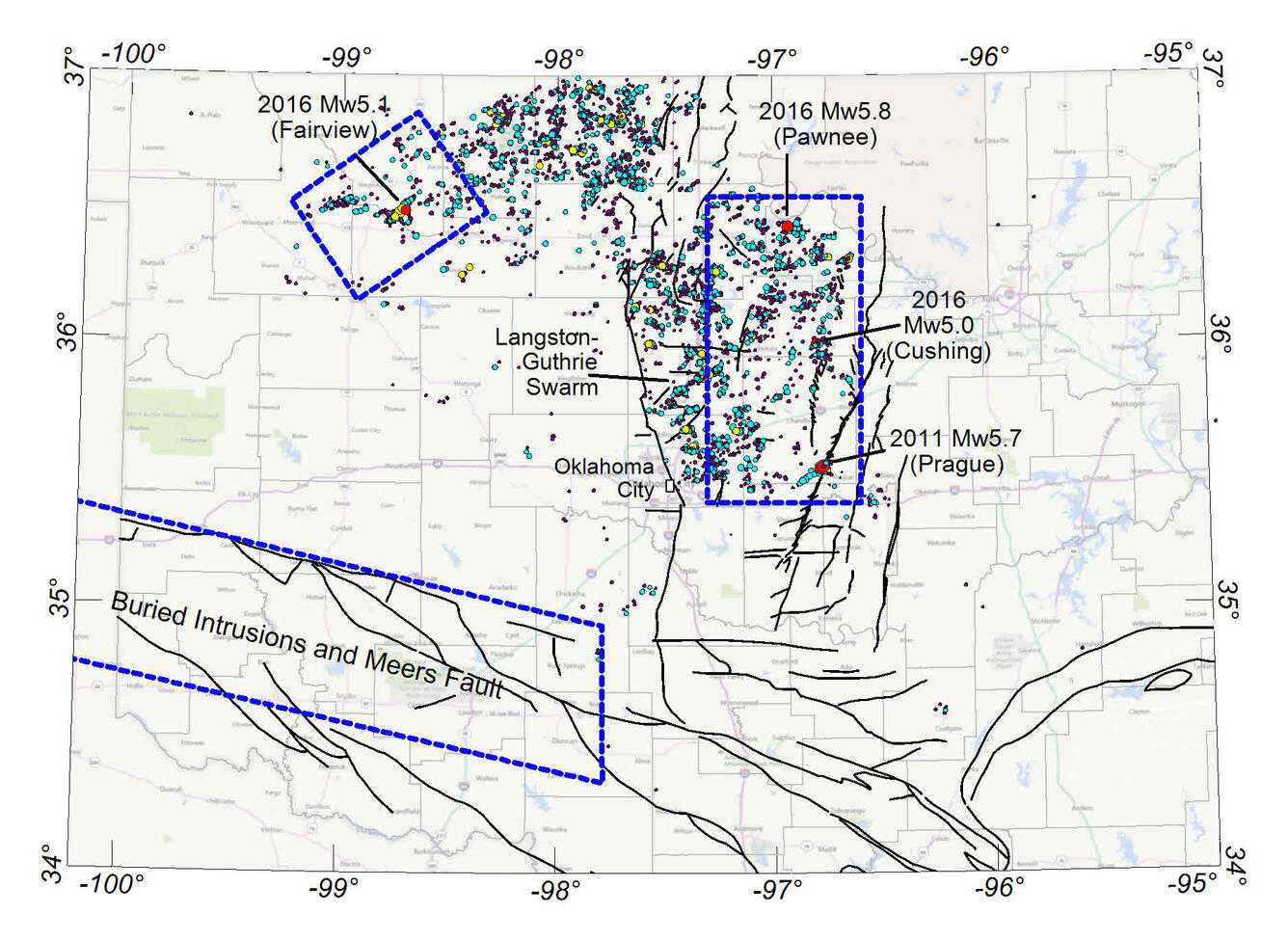
The Pawnee quake did not occur on a well‑known fault line. Initial analysis pointed to the Watchorn Fault and the Labette Fault** as nearby structures, but the main rupture took place on a deeper, previously unmapped fault now called the Sooner Lake Fault. This fault runs through Pawnee County and appears to be a branch of the larger regional fault system that accommodates tectonic stresses in the southern Plains.
Oklahoma’s earthquake rate surged in the early 2010s, a trend largely linked to wastewater injection from oil and gas operations—a phenomenon known as induced seismicity. Following the Pawnee event, state regulators tightened disposal‑well requirements, and the annual number of noticeable quakes has declined since its peak in 2015. Nonetheless, the Sooner Lake Fault remains under monitoring by the U.S. Geological Survey (USGS) and the Oklahoma Geological Survey to detect any reactivation.
Aftershocks, Current Activity, and Preparedness
In the months following the main shock, the region experienced a series of aftershocks, with the largest registering magnitude 4.3. Seismic activity on the Sooner Lake Fault waned through early 2017, and no significant events have been recorded on that specific fault since.
Statewide, Oklahoma continues to experience occasional minor tremors, most below magnitude 3.0, which are generally not felt by the public. The USGS Earthquake Hazards Program maintains an updated map of recent quakes, and the Oklahoma Corporation Commission oversees injection‑well practices to minimize induced seismicity risk.
Public awareness has grown since 2016. Communities now participate in annual ShakeOut drills, schools teach basic drop‑cover‑hold‑on procedures, and many homeowners have retrofitted older structures with seismic straps and reinforced foundations. Local news outlets, including KOCO 5, routinely provide earthquake preparedness tips during severe weather broadcasts, reflecting the state’s broader approach to multi‑hazard readiness.
Why the Pawnee Quake Still Matters
The 10‑year anniversary serves as a reminder that even regions not traditionally associated with strong earthquakes can experience significant seismic events. The Pawnee quake highlighted:
- The importance of real‑time seismic monitoring and rapid public communication.
- The role of industrial practices in influencing earthquake rates and the effectiveness of regulatory responses.
- The value of community preparedness in reducing injury and property damage when shaking occurs.
As of September 2025, the Pawnee earthquake remains the benchmark for Oklahoma’s seismic hazard assessments. Engineers use its ground‑motion data when updating building codes, and emergency planners reference its felt‑area maps when designing evacuation and shelter strategies.
Information in this article reflects the latest publicly available data from the USGS, Oklahoma Geological Survey, and Oklahoma Corporation Commission as of September 2024‑2025. No speculative or unverified claims have been included.
News, Science, Government, Society, People, Oklahoma, Pawnee, Earthquake, Seismology, Weather, Meteorology, Induced Seismicity, Preparedness, USGS, KOCO 5, Mikayla Smith, Sooner Lake Fault, ShakeOut Drill, Earthquake Anniversary

