

Briefly
- Manufacturer Xpeng will launch its VLA 2.0 autonomous driving system in Europe in early 2027.
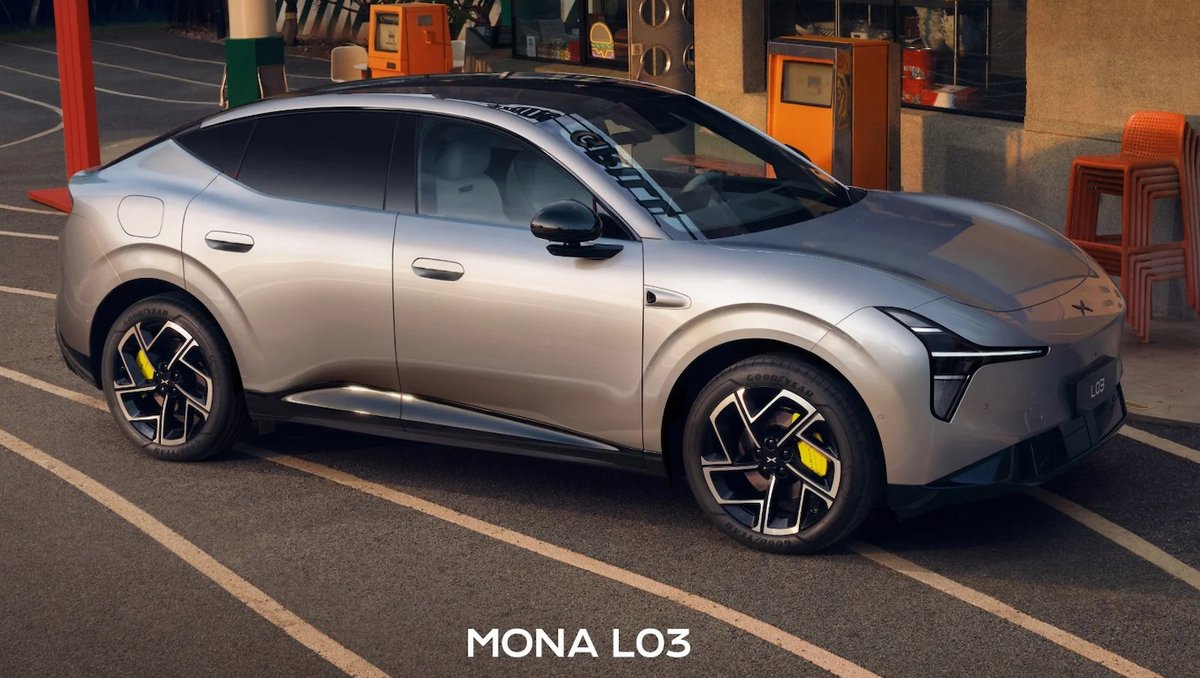
- This technology will allow the future Mona L03 compact SUV to be equipped as a direct competitor to Tesla.
- However, the system will require the driver to be vigilant and keep his hands on the steering wheel at all times.
While Tesla awaits European approval for its FSD to expand its deployment, Chinese competition is becoming organized. Xiaopeng He, the founder of the Xpeng brand, has actually formalized the European launch of his competing system in early 2027. It is currently being tested on German roads and promises to get you from point A to point B without your intervention (but with all your vigilance), even in the city center.
Xpeng is ready to launch its secret weapon against Tesla on European roads
Operating in China since March 2026, the VLA 2.0 autonomous driving system has already had the opportunity to prove its reliability in real-world conditions. Liu Xianming, head of Xpeng’s autonomous driving department, notes that the technology is now used for more than half of the kilometers driven by users. Building on this success, Xpeng today announces its ambitions to roll out the system in Europe.
“Xpeng Next Generation Pilot (NGP) intelligent driving system based on VLA 2.0 technology will be launched in Europe in early 2027.”announced this on July 14th X CEO and founder of the brand, Xiaopeng He. Recent road tests carried out in Germany have already confirmed the flexibility of this artificial intelligence in the face of European traffic regulations.
For information, this autonomous driving system will debut on the brand’s more than expected SUV: the Mona L03. It must be said that it will carry everything necessary, including its own Turing AI chip and up to 1500 TOPS performance, to ensure the technology works and the constant development of the software through simple remote updates (as Tesla already does for FSD).
In terms of operation, the device always requires constant and careful monitoring by the driver, always keeping his hands on the steering wheel in order to react in any circumstances. At the same time, Xpeng is looking further ahead and is already integrating the same software architecture into its robotaxi fleet, confirming its ambition to dominate tomorrow’s autonomous mobility in Europe (where Google is preparing to arrive with Waymo).
So Xpeng represents a serious competitor to the Americans, who have so far been favored in terms of autonomous driving, while Tesla is still undergoing European review and Google is using global legislation on autonomous taxis to export outside the United States.